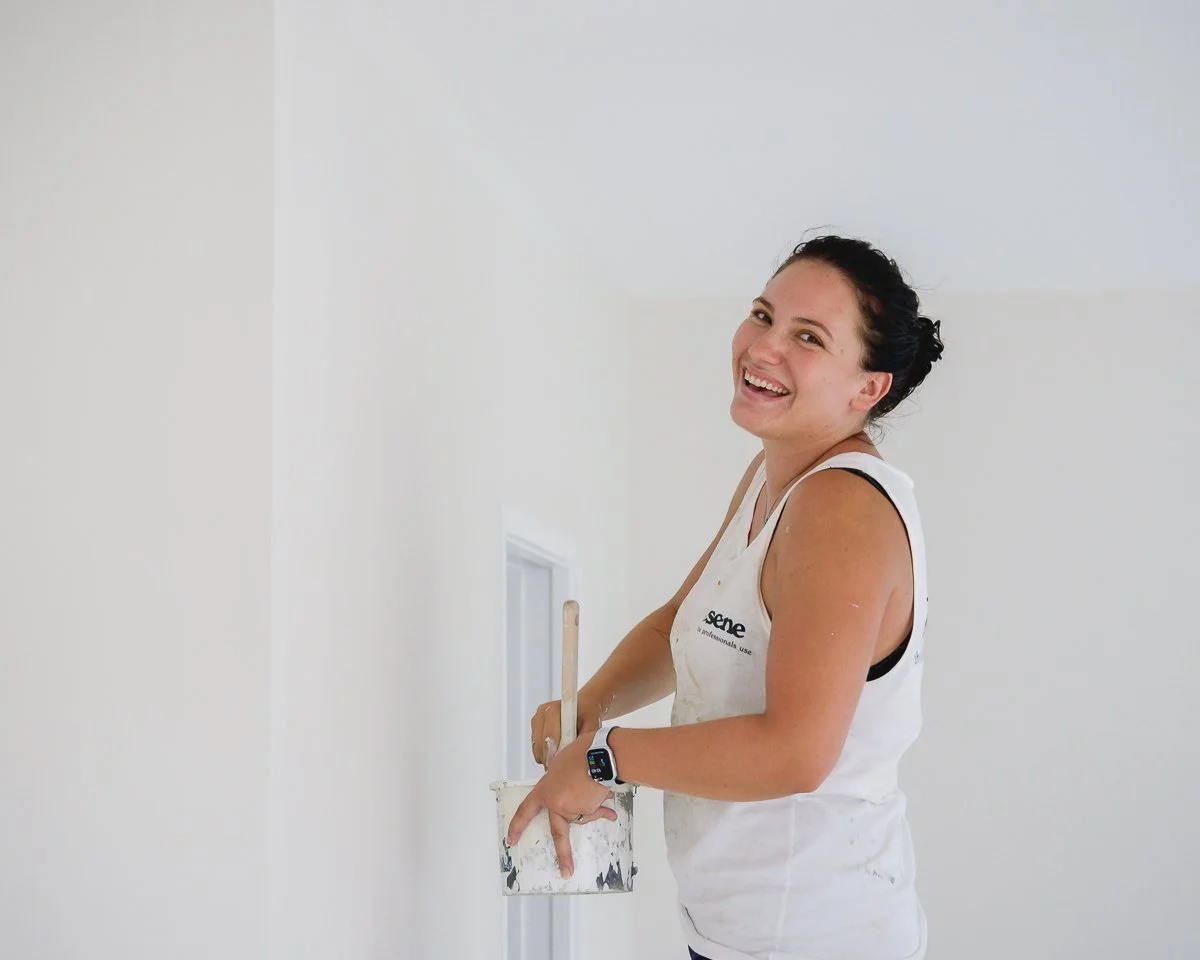
A Homeowner’s Guide: How Proper Prep Work Protects Your Home
Properly prepped timber windows and weatherboards.
Most people think a good paint job is all about the colour — but the truth is, the magic happens long before a brush even touches the wall.
As painters, we spend most of our time getting the surface right. Because if you skip that step, it doesn’t matter how expensive your paint is — it won’t last.
Here in Napier and across Hawke’s Bay, where the sun’s strong and the sea breeze brings a bit of salt with it, prep work is everything.
In this guide, we’ll walk you through what proper prep actually involves, why it matters so much, and how you can tell if your painter’s doing it right. Think of it as a bit of insider knowledge to help you manage your project confidently and protect your home for the long run.
What Proper Prep Work Actually Involves
If you’ve ever wondered why some painters take a few extra days before opening a tin of paint, this is why. A good job is about getting the surface ready, not just making it look good for a week.
Cleaning and Washing
Every job starts with a wash. We remove salt, dust, mould, chalky paint, and cobwebs - all the things that stop paint from sticking properly.
In coastal parts of Hawke’s Bay like Ahuriri or Bay View, salt spray builds up fast, so this step can’t be skipped. A proper clean gives us a smooth, dull surface that new paint can actually grip to.
Repairs and Filling
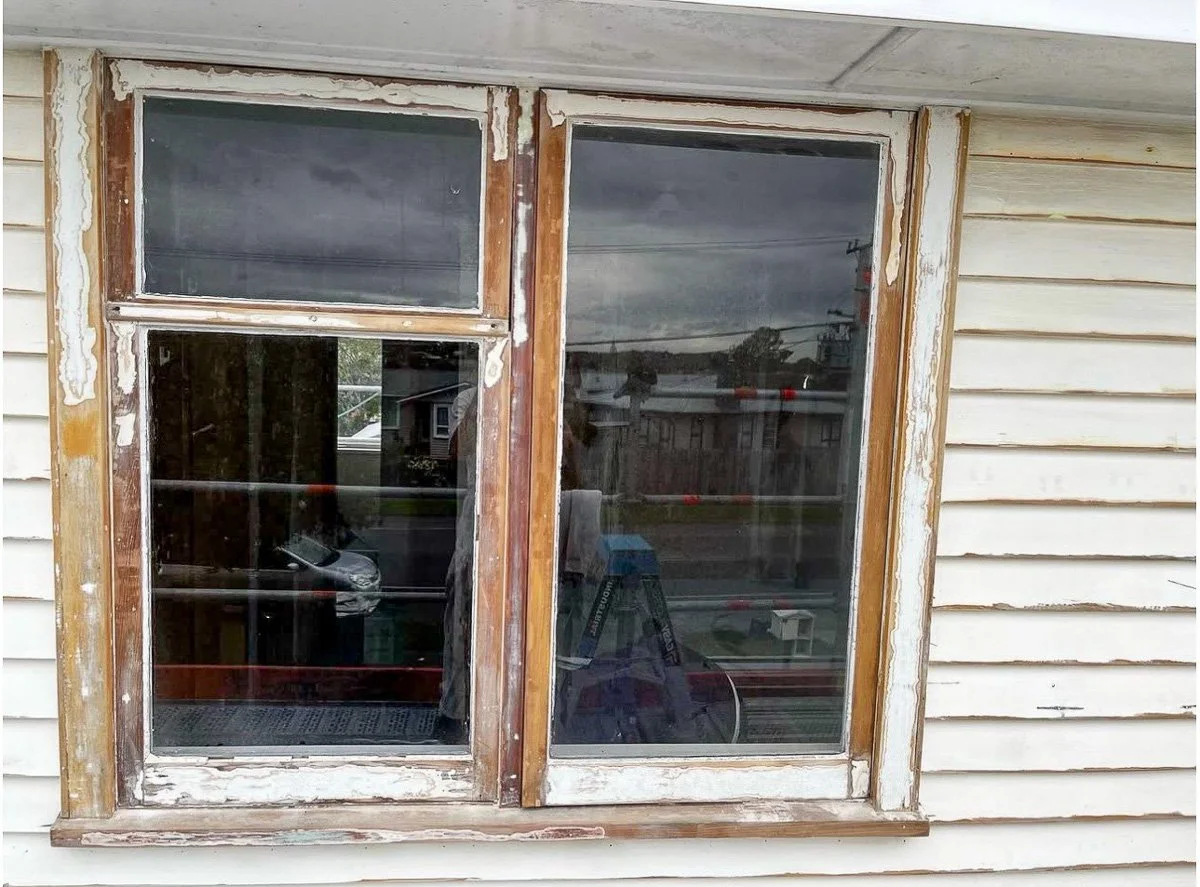
Next, we fix what’s underneath. That might mean filling nail holes, gapping joins, or re-puttying old timber windows. If there’s any sign of rot, we sort it before painting starts - there’s no point sealing over damaged timber.
These small repairs make a big difference to how tidy your finished paintwork looks and how well it holds up over time.
Sanding, Stripping, and Lead Paint Removal
This is where most of the hours go. Sanding smooths the surface and removes any loose or flaking paint.
On older villas, we often use our Paint Shaver Pro - a tool that safely removes layers of old, lead-based paint from weatherboards. Lead paint can’t just be sanded; it needs to be stripped carefully and contained properly.
It’s hard, dusty work - but it’s what separates a quick job from one that lasts ten years.
Priming and Sealing
Primer is the glue between the timber and the paint. It seals the surface, helps paint stick, and prevents moisture or tannin stains from bleeding through later.
Skipping primer is like building a house without foundations - it might look fine for a while, but it won’t last.
How Prep Work Affects Paint Life, Finish, and Cost
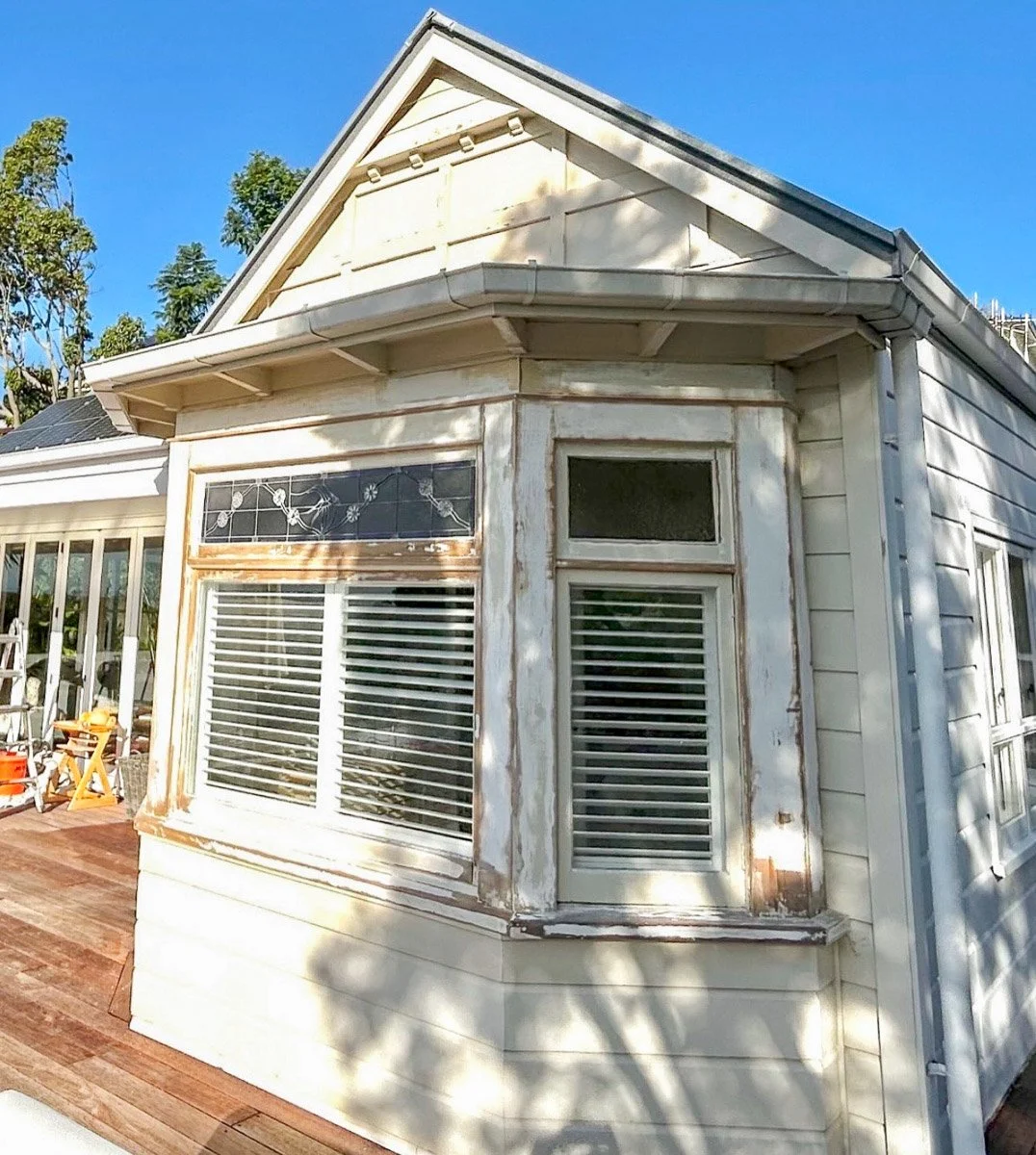
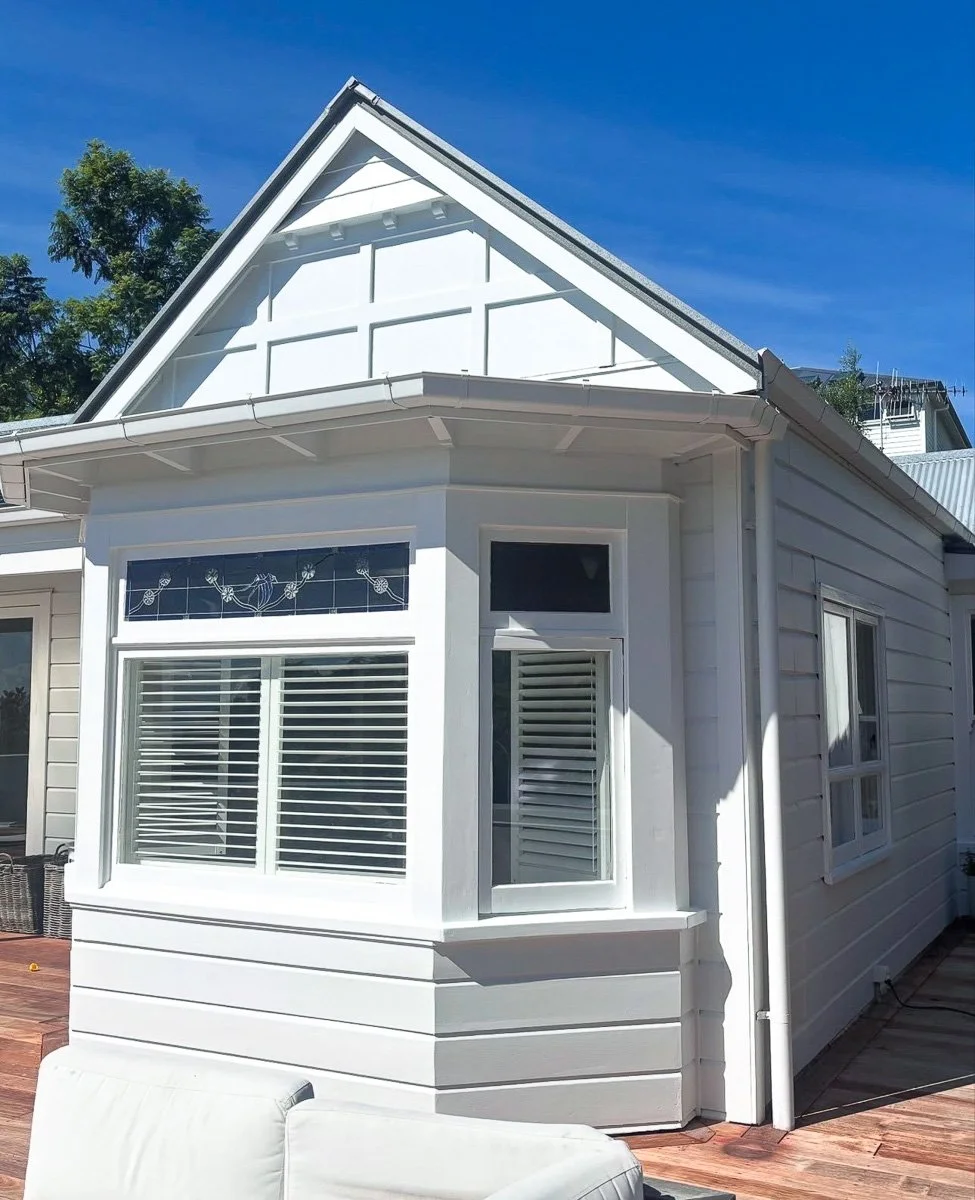
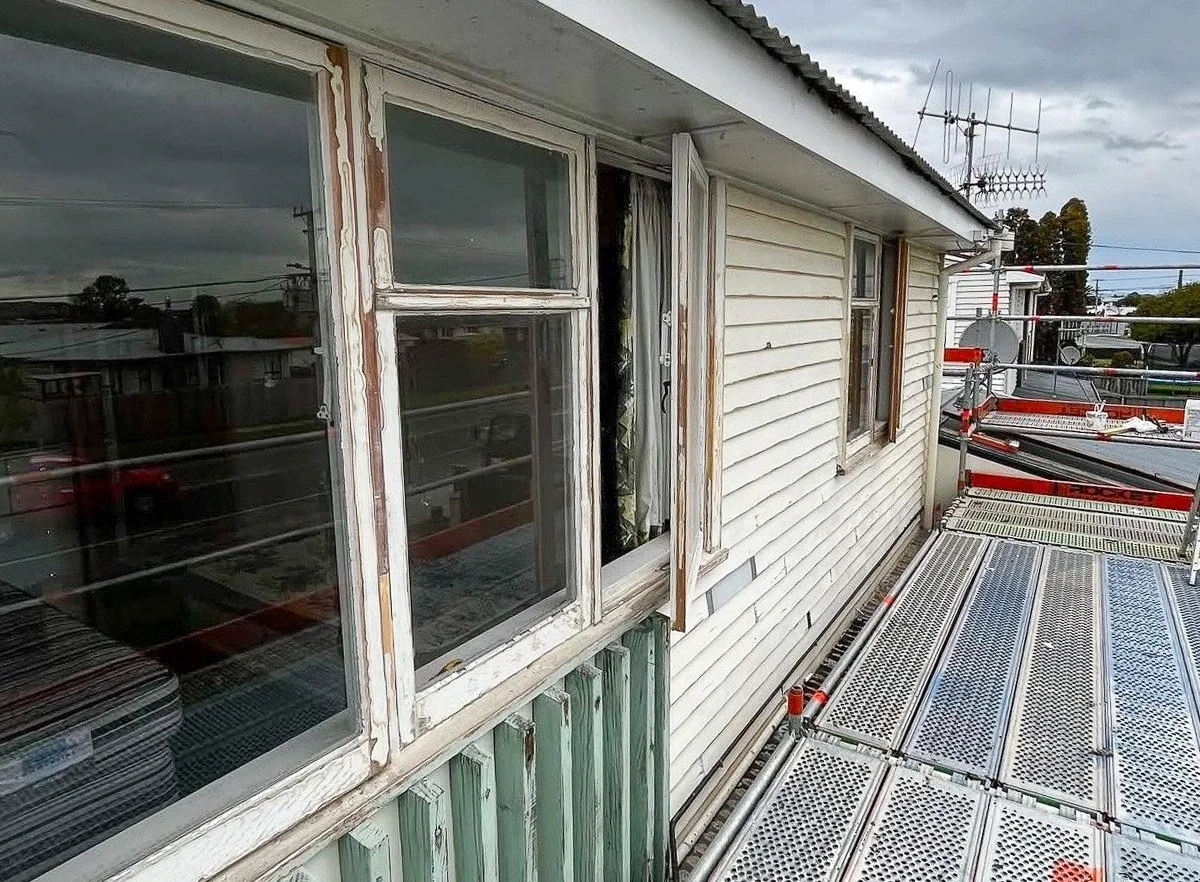

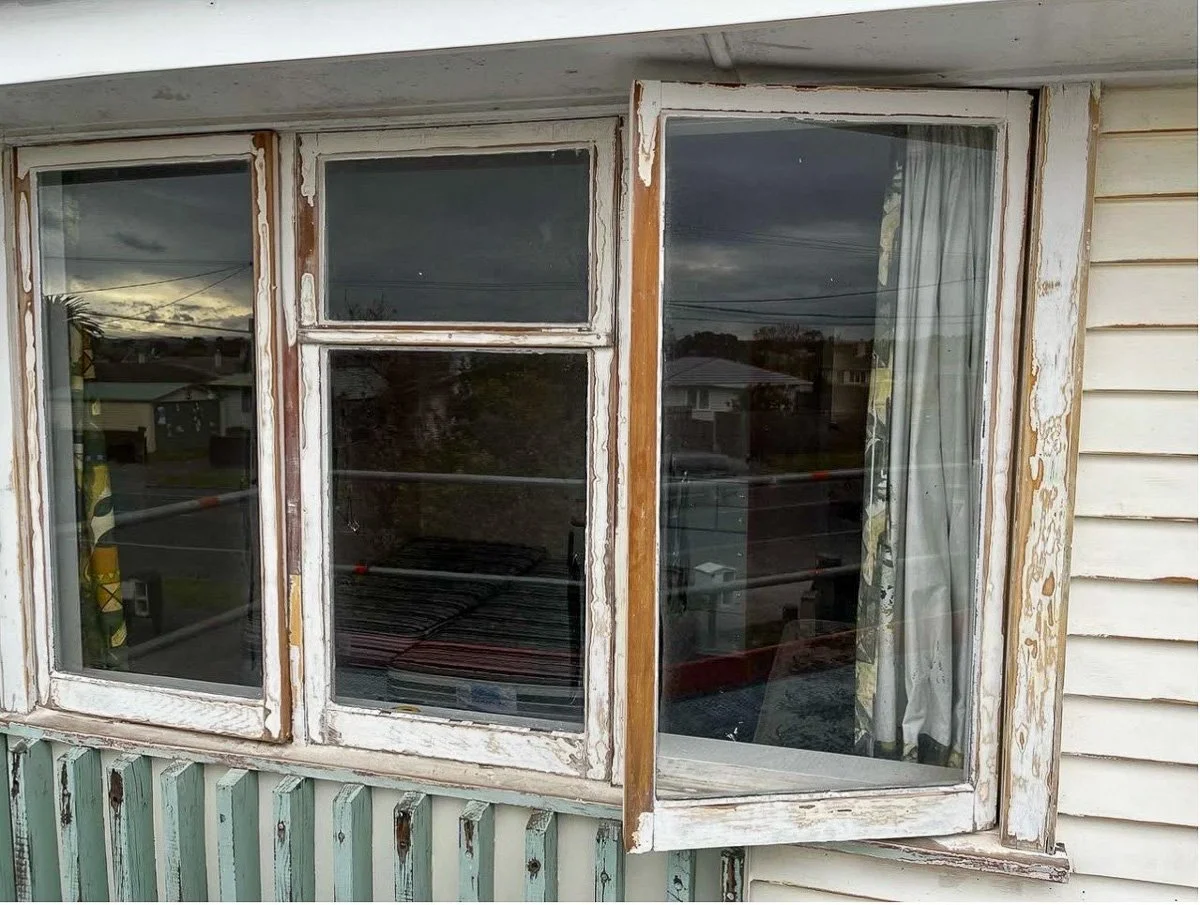
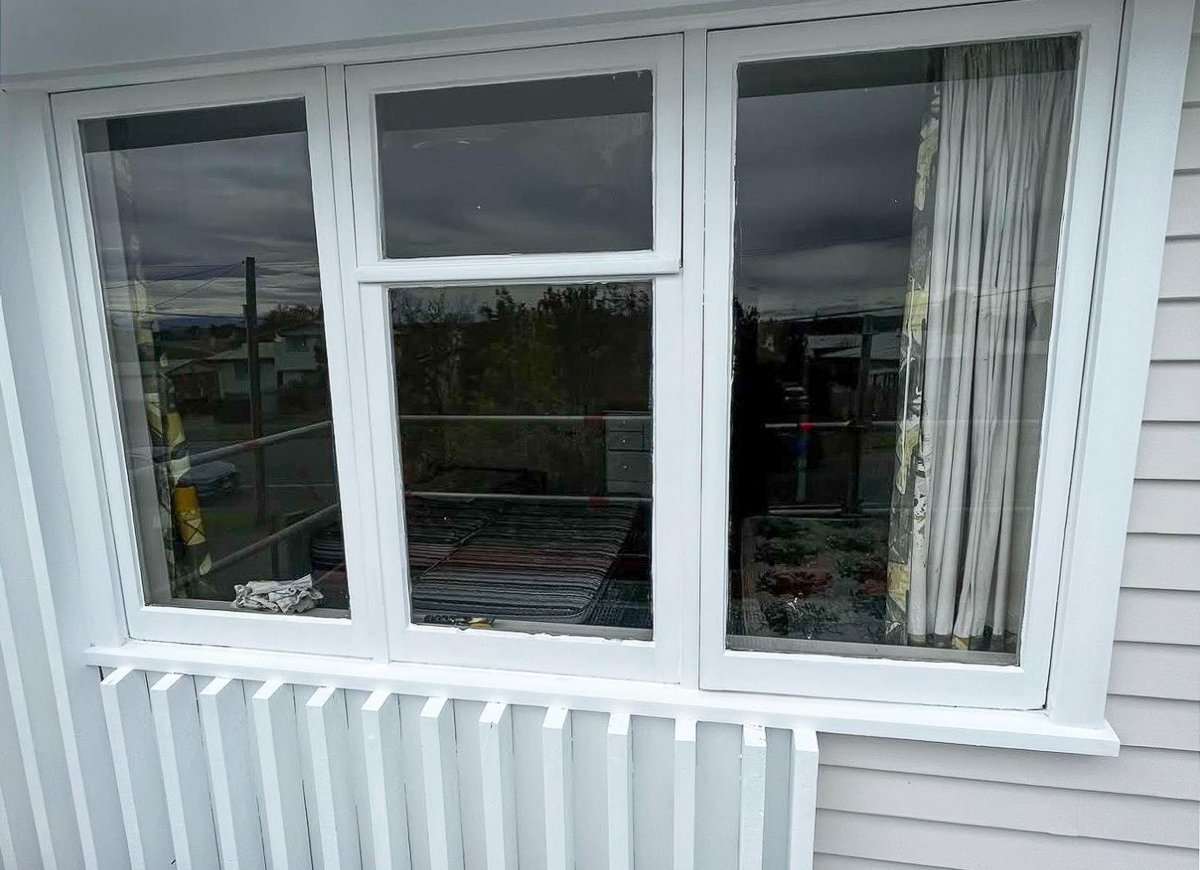
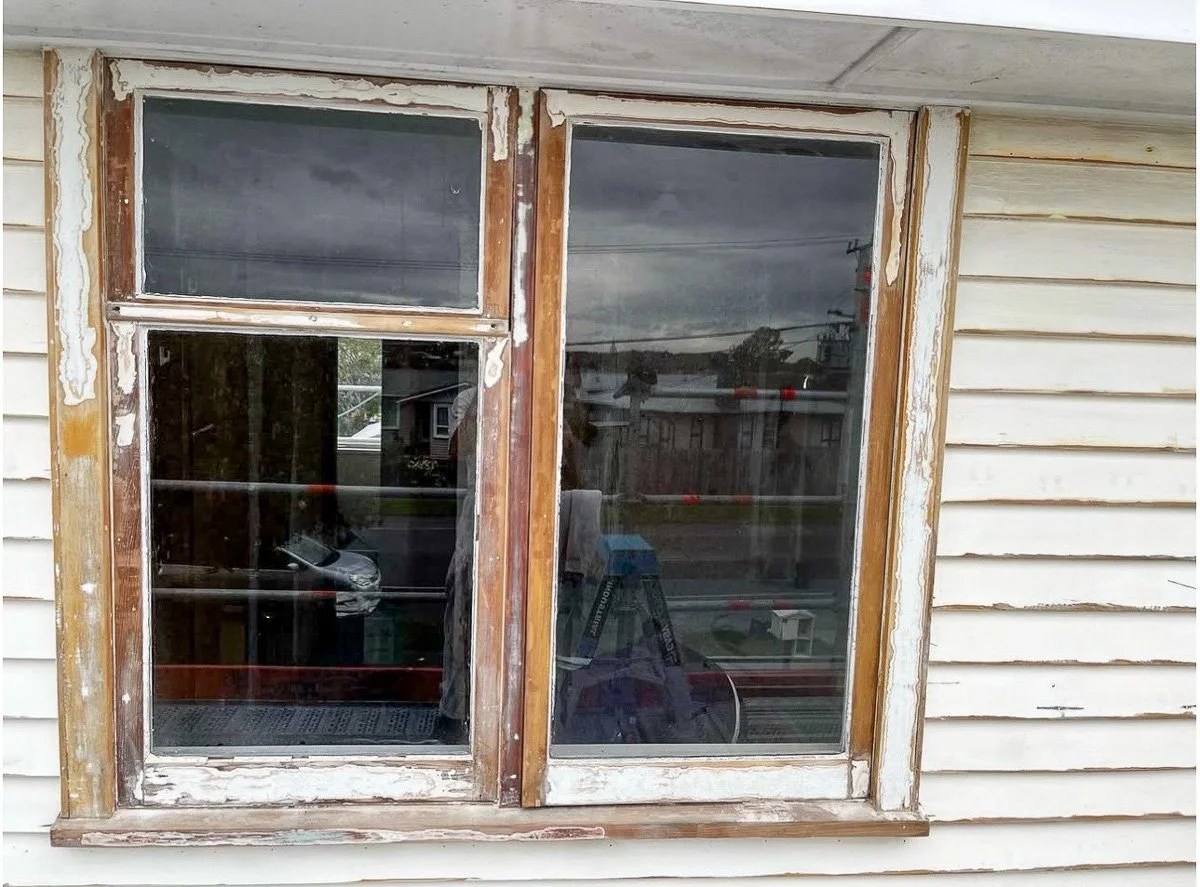
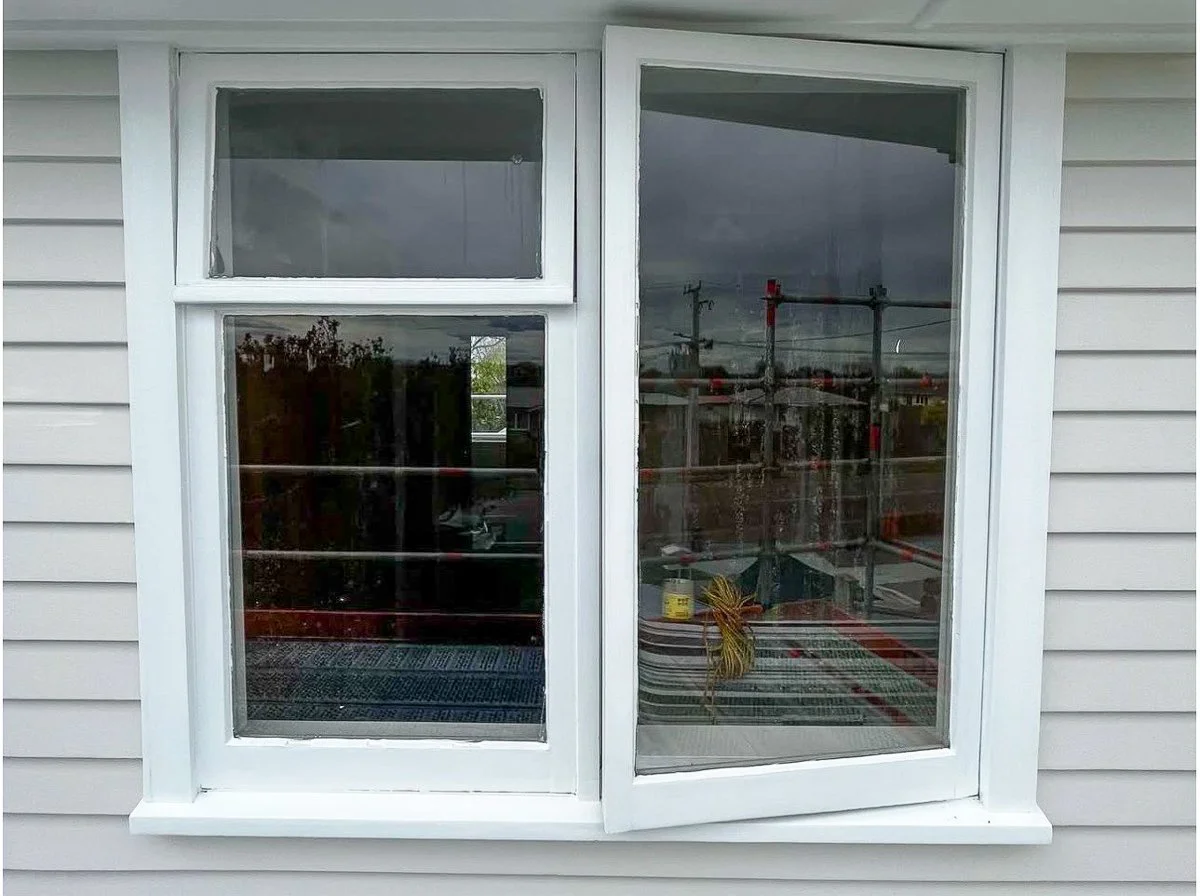
If your painter tells you prep doesn’t take long, that’s a worry. Around 70% of a proper paint job is prep work - cleaning, sanding, filling, and priming.
When it’s done properly:
Paint bonds to the surface and doesn’t peel off in sheets.
The colour looks richer and smoother.
Your home stays protected for years longer.
When it’s rushed or skipped:
Paint bubbles, flakes, or cracks after a couple of summers.
Water gets into the timber and causes rot.
You’ll be paying to repaint again far sooner than you should.
We’ve seen it plenty of times - a homeowner goes with the cheapest quote, and within three years the paint’s failing. The cost of fixing that is usually double what it would’ve been to do it right the first time.
Wondering how much that cost might be? Check out our blog on House Painting Costs in Napier and Hawke’s Bay.
Why Hawke’s Bay Homes Need Extra Care
This region is one of the sunniest in the country, and while that’s great for beach days, it’s tough on paint.
Sun and UV Exposure
Constant sun exposure makes paint expand, contract, and eventually crack. North-facing walls fade faster than any others, so they need thorough sanding and high-quality primers to cope with the stress.
Salt Air and Rust
Salt particles attract moisture, which leads to bubbling or rust around nails and window frames. We always wash and prime carefully to make sure the paint system can stand up to our coastal air.
Older Villas and Timber Homes
Napier’s full of beautiful old homes with character timber weatherboards and sash windows. These need more attention - often a full strip back to bare timber, extra filling, and lead-safe practices.
That extra prep might not be visible at first glance, but it’s the reason our villa paint jobs still look sharp years later.
How to Tell if Your Painter Is Actually Doing Proper Prep
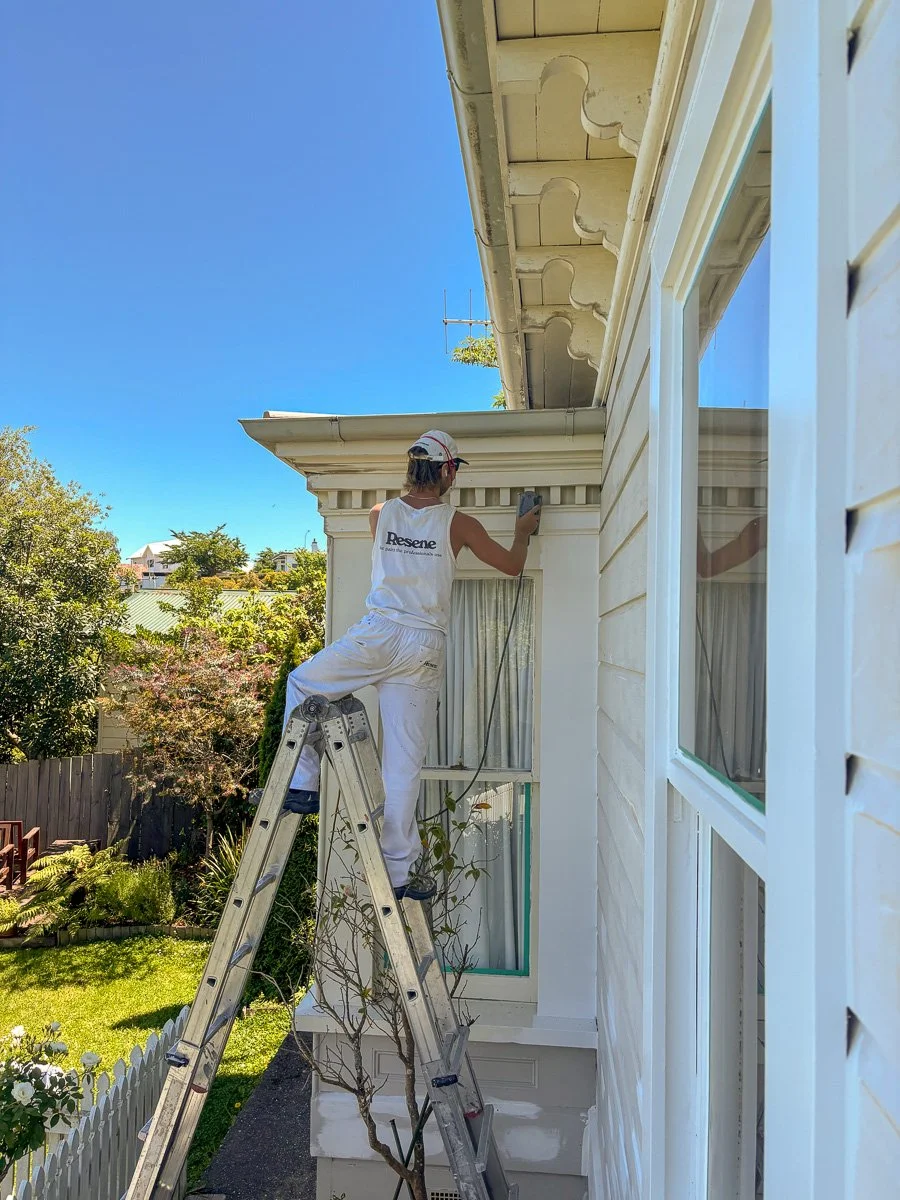
It is important your painter sands each and every detail to ensure good paint adhesion.
Homeowners often assume prep is happening because painters look busy - but not all busy is the same. Here’s what to watch for.
Sanding Should Be Consistent
If you see your painter just darting around with a scrap of sandpaper, that’s a red flag. Every board should look evenly dull and sanded - not patchy or glossy between sections.
At Bay Decorating, we use orbital sanders with dust extraction to make sure the entire surface is properly prepped, not just the flaky spots. Of course, there are always some tricky areas that need to be hand-sanded, but that’s the exception, not the rule.
To give you an idea of the scale, we’ll go through about a full 10 metre roll of sandpaper per wall section on average. We change sanding discs roughly every square meter because they clog quickly once the paint starts to heat and soften. It’s a lot of sanding - but that’s exactly why our finishes last so well.
Cleanliness Before Primer
You should never see primer brushed over dust, cobwebs, or loose paint.
Before priming, the wall should feel clean and smooth - not gritty or chalky. If it still looks dirty or has cobwebs stuck to it, the paint simply won’t last.
Most of the time we’ll water-blast before painting (about 80% of jobs), but in some cases like stained cedar we’ll hand wash instead to avoid damaging the soft wood grain. For any areas affected by mould or lichen, we use a special moss and mould treatment before washing, because water-blasting alone won’t kill the spores hiding beneath the surface.
Ask About Tools and Primers
Don’t be shy! Ask what equipment and primer your painters are using.
A professional will happily explain their process and product choices. If they can’t, or they get defensive, that’s a sign they’re cutting corners.
Check Primer Coverage
Primer should reach everywhere - under eaves, around downpipes, and along the bottom boards. Missed sections are easy to spot and a clear giveaway of rushed prep.
It’s Okay to Ask Questions
You don’t need to hover, but you are absolutely allowed to ask:
“How many days have you allowed for prep?”
“Are you sanding every board or just the problem areas?”
“Will you wash the house before priming?”
Good painters respect clients who care about the details - it shows you value their craft.
Painter’s Tip: “Proper prep takes time - you should see sanding, washing, and filling before any colour goes on. If someone’s painting on day one, it’s too fast.”
How to Spot Good Prep Work Before You Hire
Ask for a quote that separates prep from painting (it should roughly resemble our 70:30 rule we mentioned earlier).
A professional will walk around, identify problem areas, and explain what needs fixing.
Check what brands they use - reliable painters stand by their materials.
Ask: “Which primer are you using and why?” - A good painter should be happy to explain (make sure they aren’t using really cheap primers from The Warehouse!)
See if they mention sanding, priming, or washing in their proposal.
Ask to see a house they painted 4-5 years ago - that tells you everything you need to know.
Our Prep Process at Bay Decorating
Here’s how we approach every job, from a small repaint to a full villa restoration:
Assessment: We check every surface for damage, flaking paint, and moisture issues.
Wash Down: Remove dirt, salt, and grime with the right cleaning products.
Repair & Sand: Fill holes, gap joints, and sand thoroughly for smooth, even texture.
Prime: Apply the right primer for each surface - timber, plaster, or metal.
Final Check: Inspect every surface before the first coat of colour.
One of our recent projects on Kennedy Road is a good example. The home had lead paint and needed a full strip back to bare timber. We used our Paint Shaver Pro, primed everything properly, and the result still looks fresh years later.
Conclusion
Prep work isn’t glamorous, but it’s the reason a paint job lasts years instead of months.
Here in Hawke’s Bay, with our sunshine and salt air, it’s not optional, it’s essential.
If you’re planning to repaint your home in Napier, Hastings, or Havelock North, make sure your painter values the part you can’t see.
At Bay Decorating, we take the time to do it right - because we’d rather you call us again in ten years, not two!