The Real Difference Between a $10K and $20K Paint Job
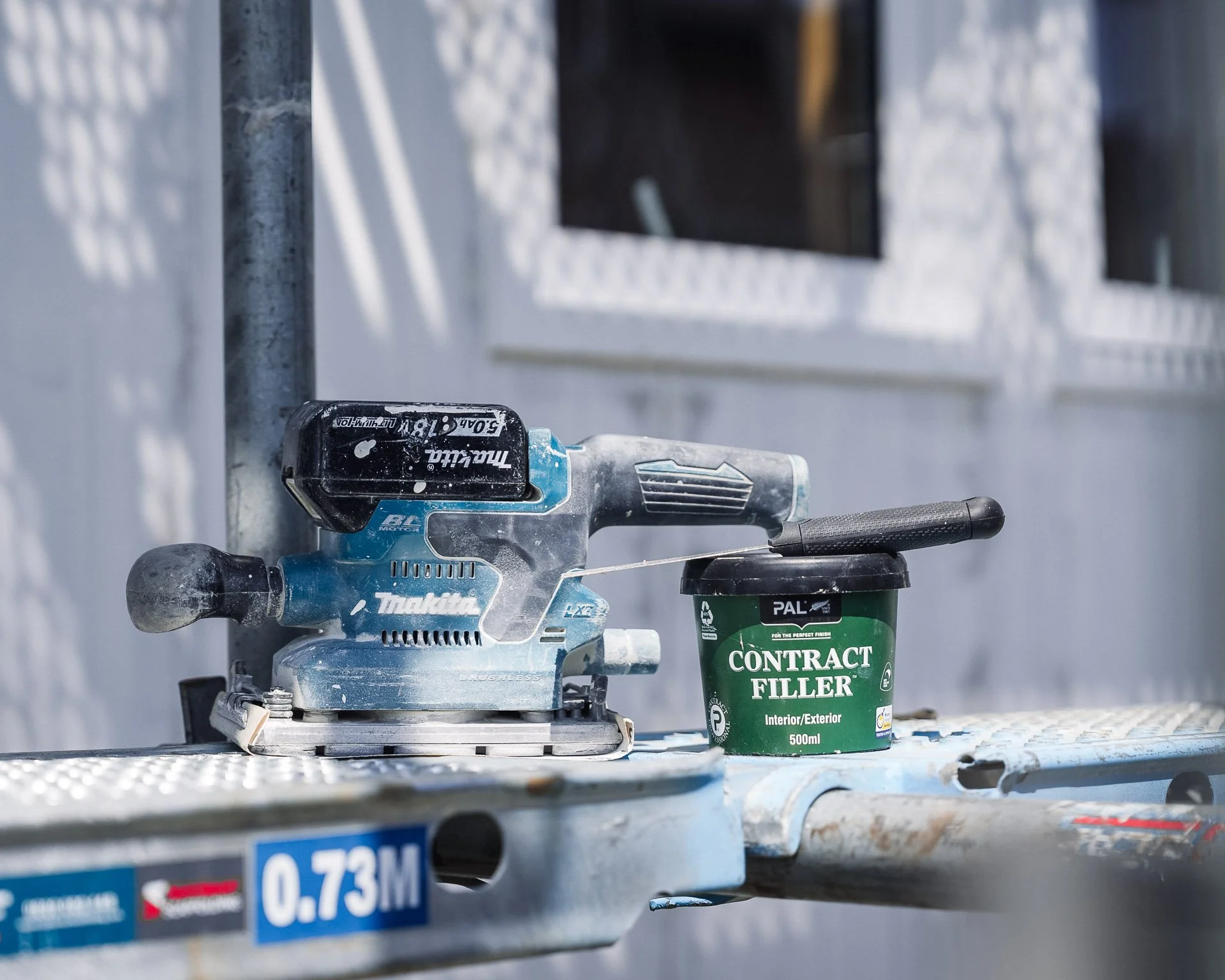
Tip: It’s all in the prep.
(What You’re Actually Paying For)
If you’ve ever had two painting quotes come back for the same house, one around $10,000 and another closer to $20,000 - you’re not alone. We see this all the time in Hawke’s Bay, and it’s completely understandable to wonder how the numbers can be so far apart.
The confusing part is that both quotes often sound similar on the surface. Same house. Same colours. Same “two coats.” So where does the extra money go?
In this article, I want to break it down in plain English. When we talk about a $10K vs $20K paint job, we’re not comparing a tiny cottage to a huge villa. We’re talking about a like-for-like exterior repaint on a typical Hawke’s Bay home.
In most cases, the difference between a $10K and a $20K paint job comes down to how the painter is making their money.
Cheaper quotes usually rely on speed - getting in and out as fast as possible. Higher quotes rely on time - spending longer on prep, detail, and doing the job properly so it lasts.
By the end, you’ll know:
why painting quotes vary so much,
what’s often missing from cheaper quotes,
and how to compare painters properly - without needing to be a tradie yourself.
P.S. Looking for full house painting services? Get in touch!
First — Is It Even a Fair Comparison?
Before comparing prices, the first thing to check is whether the quotes actually include the same work.
A cheaper quote is often cheaper because it leaves things out, not because it’s better value.
When we review quotes for homeowners, these are the most common differences:
Exterior walls only vs walls plus windows, soffits, fascia, and trims
basic water blasting vs proper mould treatment
Spot sanding vs full surface preparation
No repairs included vs filling, sealing, and fixing problem areas
Minimal masking vs full protection of joinery, paths, decks, and landscaping
If one quote includes all of that and the other doesn’t, the price gap starts to make a lot more sense.
The 70/30 Rule: Prep Work Is Where the Money Goes
One of the biggest misconceptions about painting is that most of the cost is the paint itself. In reality, paint is a relatively small part of the job.
A good rule of thumb is about 70% prep and 30% topcoats.
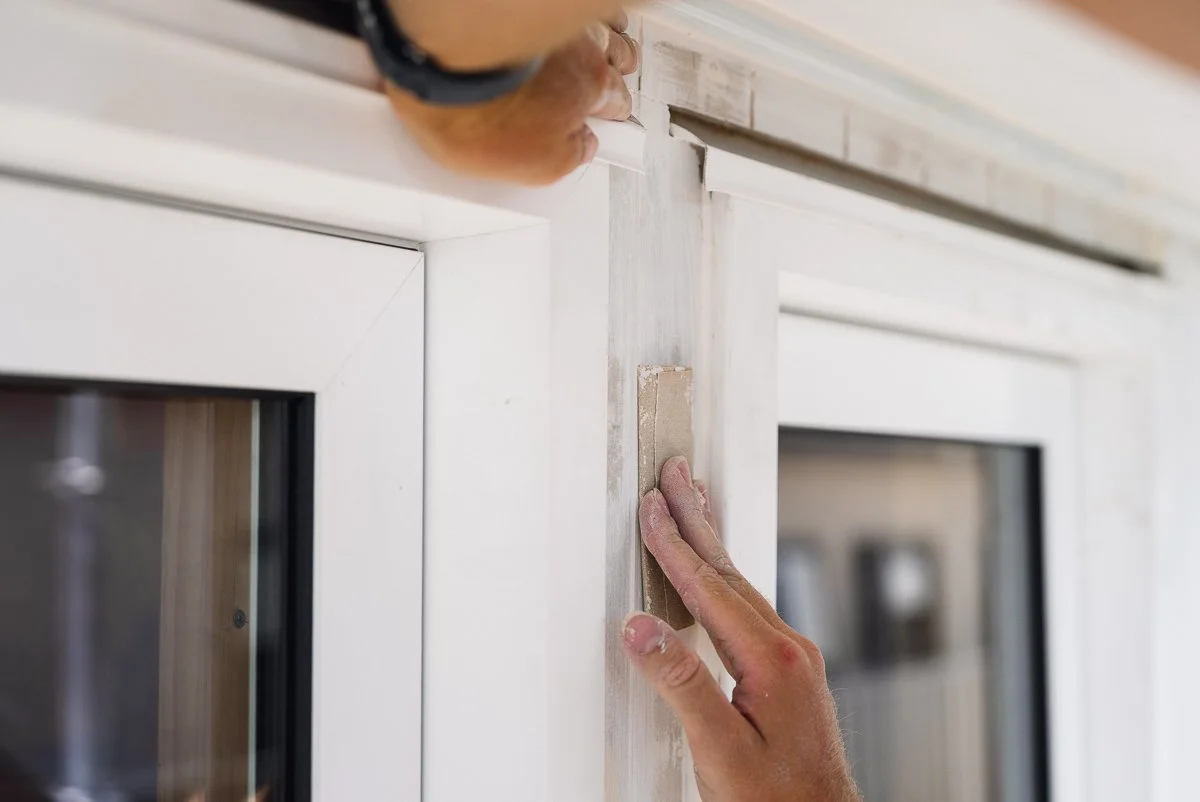
Prep work includes:
washing the house properly,
treating mould and mildew (water blasting alone doesn’t kill spores),
scraping loose or failing paint,
sanding to smooth and feather edges,
priming bare timber and repaired areas,
filling (bogging) holes and imperfections,
re-sanding those areas,
sealing gaps and cracks.
Anyone can apply paint. What you’re really paying for is the time, patience, and care that goes into everything before the paint goes on. That’s what determines how long the job lasts.
Want to know more? Read our article on why prep work matters in painting
What a $10K Quote Often Cuts
Cheaper quotes aren’t always dishonest - but they are often lighter on detail.
Most of these shortcuts aren’t about bad intentions - they’re about saving time so the job can be done faster and more jobs can be booked.
Some common shortcuts we see include:
Spot sanding only, instead of sanding the entire surface
Minimal priming, or skipping undercoats altogether
Rushed cleaning, painting over dust, cobwebs, or untreated mould
Ignoring the fiddly bits, like nail pops, dents, or uneven areas
Windows painted shut, with no time spent freeing them or cleaning edges
Individually, these shortcuts might not seem like a big deal. Together, they usually lead to peeling, cracking, and a paint job that doesn’t last as long as it should.
Full Strip vs “Sand and Paint”: When the Bigger Quote Is Actually the Right Scope
Not every house needs a full strip - but some absolutely do.
As a practical guideline, if more than about 60% of a surface is flaking or failing, sanding and painting over the top usually won’t give a reliable result. At that point, the paint system itself is compromised, and stripping back to a sound surface is often the only way to get a finish that will actually last.
It’s not an exact science and every house is different, but this kind of assessment is what drives the jump between a lower-priced “sand and paint” job and a higher-priced full strip.
It’s also important to understand that stripping isn’t the end of the prep process. Once paint has been removed - mechanically or chemically - the timber still needs to be thoroughly sanded to level the surface, remove tool marks, and prepare it properly for primer. That extra sanding time is a big part of why full strip jobs take longer and cost more, but it’s essential for a smooth, durable finish.
A note on lead paint and safety
On older homes, lead-based paint can also change the scope of work. Lead paint can’t be sanded safely, as it creates hazardous dust that can affect the health and safety of the people living in the home, especially children. In these cases, the paint needs to be carefully removed first before normal sanding and prep can begin. This adds time and cost, but it’s critical for both compliance and homeowner safety.
Spraying vs Brushing and Rolling: Speed, Masking, and Finish
Spraying can be a great tool when used properly. It can deliver an even finish and is sometimes the right choice for certain surfaces.
The issue is when spraying is used mainly as a speed strategy.
A proper spray job requires:
extensive masking,
protection of windows, gutters, downpipes, and surrounding areas,
and careful cleanup.
When spraying is rushed, overspray can end up where it shouldn’t, and the finish can actually be messier. Another downside is future maintenance — touch-ups don’t blend well on sprayed surfaces, which often means larger areas need repainting later just to hide small repairs.
Brush and roller work takes longer, but it often gives better control, cleaner edges, and easier touch-ups over time.
Spraying isn’t the problem — using it to work faster at the expense of prep and masking is.
Windows: The Hidden Hours That Blow Out Quotes
Windows are one of the most time-consuming parts of an exterior repaint, especially on older homes.
This work often includes:
removing thick build-ups of old paint,
freeing windows that have been painted shut,
sanding back to a smooth surface,
and sometimes re-puttying.
Re-puttying isn’t filler or bog — it’s the glazing putty that actually holds the glass into a timber window frame. When it’s cracked or missing, water can get in and cause rot.
Because window work is slow and detailed, it’s often skipped or glossed over in cheaper quotes - but it makes a big difference to both appearance and longevity. At Bay Decorating we include re-puttying in our quotes when its recommended.
Surface Condition Sets the Ceiling on Lifespan
The condition of your home going into a paint job matters - because rougher surfaces simply need more time.
Homes with previous repairs, movement, or older paint systems require extra preparation to stabilise the surface. When a job is priced to be done quickly, there often isn’t enough time allowed to do that properly, which sets a lower ceiling on how long the paint will last.
This is why faster, cheaper jobs often need redoing much sooner - not because of the paint, but because the surface wasn’t given the time it needed.
How to Spot a Speed-Based Quote Before You Commit
When you’re comparing painting quotes, it can be hard to tell which one is allowing time to do the job properly and which one is relying on speed to make money. The clues are usually in what’s written in the quote - and what’s missing.
Here are a few things to look for before you choose a painter.
Signs a Quote Allows Time for Quality Work
A more thorough, higher-quality quote will usually:
clearly explain prep work, not just say “prepare surfaces”
list washing and mould treatment as a separate step
describe sanding as whole-surface prep, not just spot sanding
specify primers or undercoats where bare timber or repairs are involved
include windows, trims, and detailed areas rather than glossing over them
allow enough time in the schedule for all of the above to actually be done
Detail in a quote usually means time has been allowed — and time is what gives prep work a chance to do its job.
Red Flags That a Quote Is Priced for Speed
Cheaper, faster quotes often show signs like:
very short timelines for older or weathered homes
vague phrases like “prep as required” with no explanation
sanding mentioned only where paint is visibly flaking
no mention of mould treatment or surface condition
heavy reliance on spraying without explaining masking or protection
windows, repairs, or problem areas excluded or not mentioned at all
These don’t automatically mean the painter is “bad” - but they do suggest the job has been priced to move quickly, and shortcuts are more likely.
Questions That Help You Compare Quotes Properly
If you’re unsure, these questions can tell you a lot:
“Can you walk me through exactly what prep is included in this price?”
“How much time have you allowed for sanding and priming?”
“If spraying is used, how will masking and protection be handled?”
A painter who’s allowed time to do the job properly will be happy to answer these.
So… Which Quote Should You Choose?
When you strip it all back, the real difference between a $10K and $20K paint job usually isn’t the paint — it’s time.
Cheaper quotes often rely on speed to make money. To work faster, prep work gets reduced, detailed areas get rushed, and steps that don’t immediately show get skipped. The house might look fine at first, but those shortcuts often show up a few years later as peeling, cracking, or uneven wear.
Higher quotes allow time for proper preparation, detail work, and the right paint system to be applied properly. That time is what gives a paint job its best chance of lasting.
The right choice isn’t about picking the cheapest or the most expensive quote — it’s about understanding what’s included and whether enough time has been allowed to do the job properly. If the better quote is over budget, there are ways to bring a painting quote down without cutting the prep.
If you’re comparing painting quotes around Napier, Hastings, or Havelock North and want help understanding the differences, we’re always happy to talk through what’s included — so you can make a confident decision for your home.